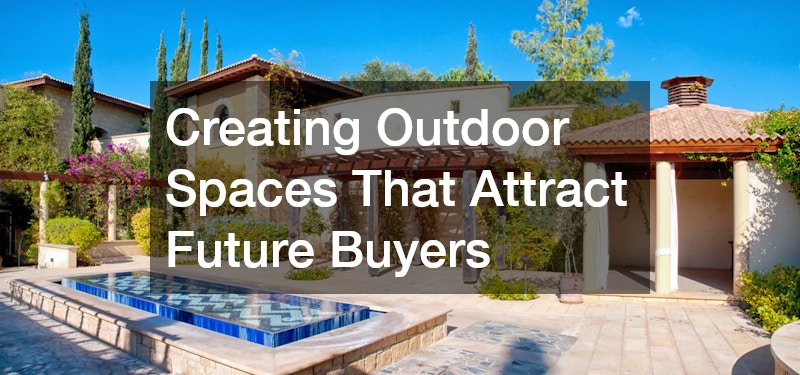
Outdoor space has become more than a bonus feature for many homebuyers. It can influence how a property feels during a showing, how large the home seems to live, and how easily buyers can picture themselves enjoying daily life there. A backyard that feels cared for, comfortable, and easy to use can make a strong impression before buyers even step back inside.
The challenge is knowing which outdoor improvements are worth the effort. Not every upgrade adds meaningful appeal. Some projects are too personal. Others require more maintenance than buyers want to take on. A few can even make the property feel smaller, more complicated, or less flexible.
The best outdoor spaces are not necessarily the most expensive ones. They are the spaces that feel intentional. Buyers should be able to understand where they would sit, eat, relax, entertain, play, garden, or enjoy a quiet evening. When the yard feels like an extension of the home, it becomes easier for buyers to imagine living there.
Help Buyers Immediately Understand the Space
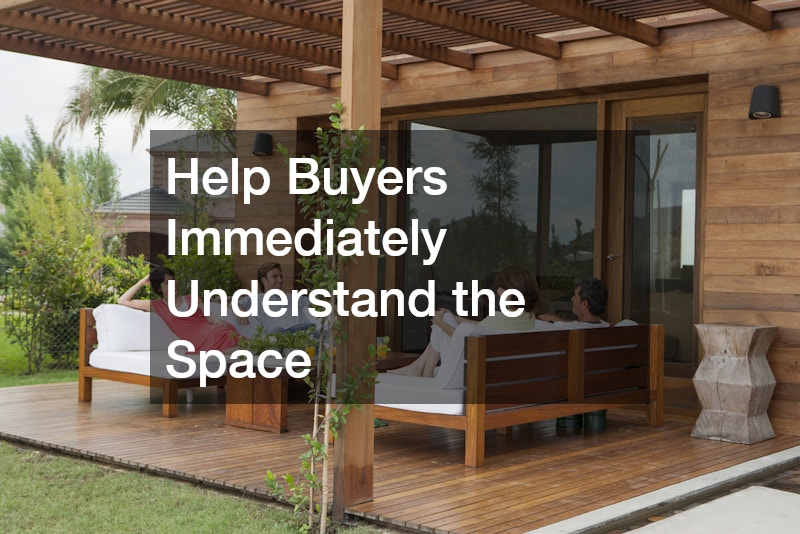
A strong outdoor area tells buyers what it is for. That may sound obvious, but many yards fail because they feel undefined. There may be a patch of grass, a few chairs, a grill in the corner, and some landscaping, but no clear sense of how the space is meant to be used.
Defined zones help solve that problem. A small patio can show buyers where outdoor dining or lounging would happen. Even a modest seating area can make the backyard feel more functional when it is arranged with purpose. The key is to create a natural connection between the home and the yard, especially near doors, walkways, and gathering areas.
Think about the most likely ways a buyer might use the space:
- Morning coffee outside
- Casual dinners
- Weekend grilling
- Kids playing nearby
- Quiet reading
- Small gatherings
- Container gardening
- Relaxing after work
The layout should make those uses easy to imagine. Furniture should fit the scale of the space. Oversized pieces can make the yard feel cramped, while furniture that is too small can make an area feel unfinished. Simple is usually better.
A patio does not need to be elaborate to be effective. It needs to be clean, level, accessible, and large enough for realistic use. A bistro table, two chairs, and a few planters can make a small outdoor corner feel finished. A larger area may benefit from a defined dining setup or a conversational seating arrangement.
Buyers often respond to outdoor spaces that feel easy. If they have to mentally redesign the entire backyard during a showing, the space may not make the right impression. If the layout already makes sense, the home feels more move-in ready.
Make Big Features Fit the Property
Large outdoor features can help a home stand out, but only when they feel proportional to the property. A major backyard addition should not overwhelm the yard, block circulation, or create maintenance concerns that distract from the home’s appeal.
An in ground swimming pool can be a desirable feature in the right setting. It can make a backyard feel resort-like, give families a clear recreation area, and create a natural centerpiece for entertaining. However, buyers will also think about safety, upkeep, utility costs, insurance, and how much usable yard remains.
That is why planning matters. A pool that takes over the entire backyard may impress some buyers but turn away others who want green space, room for pets, or a play area. A pool that feels well integrated into the landscape is more likely to appeal broadly.
Before adding or improving a major outdoor feature, homeowners should consider:
- Whether the feature fits the neighborhood and price range
- How much open space remains
- Whether the layout allows room for seating and movement
- How the feature looks from inside the home
- Whether safety barriers and lighting are adequate
- How maintenance will appear to buyers
- Whether the feature expands or narrows the likely buyer pool
Outdoor upgrades should support the property, not dominate it. A backyard that offers both a focal point and flexibility often feels more valuable than one built around a single use.
Get Professional Guidance Before Major Additions
A pool can be a strong selling feature, but it is not a casual project. The design, placement, drainage, access, equipment, fencing, and long-term maintenance all matter. A poorly placed pool can create awkward circulation, drainage issues, or a yard that feels too crowded.
Local swimming pool companies can help homeowners understand what is realistic for the property. Their input may clarify what size, shape, depth, and placement make sense. They can also explain permitting requirements, equipment location, decking needs, safety considerations, and how the pool will interact with existing landscaping.
For homeowners considering a pool before selling, the decision should be made carefully. In some markets, a pool can add appeal. In others, buyers may see it as an expense. The timeline also matters. Installing a pool shortly before listing may not always deliver enough return to justify the cost, especially if the yard is already attractive and functional.
Keep Existing Features Clean and Showing Ready
If the home already has a pool or water feature, condition becomes the priority. Buyers may forgive an older feature if it looks cared for. They are less likely to overlook cloudy water, stained surfaces, damaged coping, broken equipment covers, or cluttered maintenance areas.
Pool Service can be especially helpful before listing because visible care affects buyer perception. Clean water, balanced chemicals, working equipment, and tidy surroundings send the message that the feature has been maintained. A neglected-looking pool can raise questions, even if it only needs minor attention.
Buyers are often trying to estimate future effort. A well-maintained pool feels like an amenity. A messy one feels like a chore. Even small details can change the reaction.
Maintenance documentation can also help. If sellers can show regular service history, equipment updates, or recent repairs, buyers may feel more confident about what they are seeing. That does not erase the responsibility of ownership, but it can make the feature feel less uncertain.
Make Upkeep Feel Manageable
Outdoor features are most attractive when buyers believe they can maintain them. A beautiful backyard that looks complicated may intimidate some buyers. A clean, organized space with clear care routines feels more approachable.
This is especially important for pools, gardens, large planted areas, and outdoor entertainment zones. Sellers should make maintenance products, tools, and systems look organized. Storage areas should be neat. Equipment should be labeled or easy to understand. Any visible supplies should look intentional, not scattered around the yard.
Some homeowners use natural swimming pool chemicals as part of their pool care routine. If that is the case, sellers can keep records or product information available without making unsupported claims. Buyers may appreciate knowing how a pool has been maintained, but sellers should avoid overstating benefits or suggesting that any system requires no care.
The broader lesson is that outdoor upkeep should look realistic. Buyers want to enjoy the yard, not inherit a confusing list of tasks. To make maintenance feel easier:
- Choose plants that fit the climate.
- Avoid messy trees too close to water features.
- Keep storage areas clean.
- Label or organize pool and garden supplies.
- Repair small problems before they look neglected.
- Remove broken pots, hoses, and worn accessories.
- Simplify plantings before listing if the yard feels too busy.
A backyard does not have to be maintenance-free. It just needs to feel manageable. When buyers see order and care, they are more likely to view outdoor features as assets rather than obligations.
Add Comfort Where It Matters Most
Comfort can turn an outdoor area from something buyers glance at into something they remember. Shade, airflow, privacy, bug protection, lighting, and shelter all make outdoor spaces more usable.
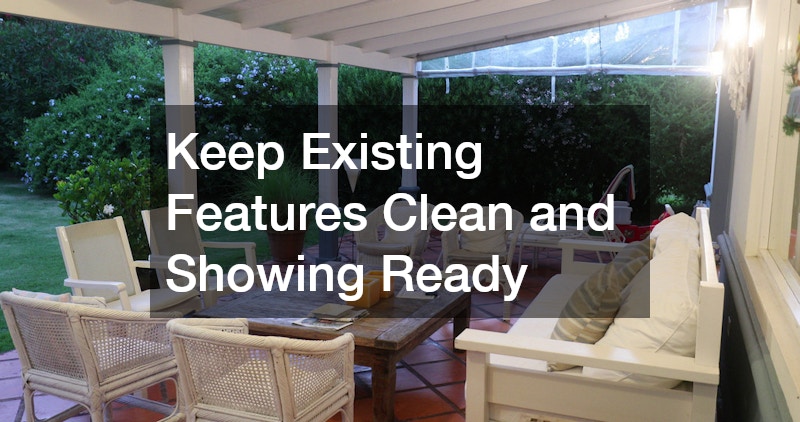
In warm, rainy, or insect-prone climates, screened areas can be especially appealing. Screen enclosure companies can help homeowners create or repair enclosed outdoor spaces around sitting areas, pools, or porches. These spaces can extend the usefulness of the yard by reducing exposure to insects, leaves, and debris while still allowing light and air.
Porch enclosures can serve a similar purpose. They help define an outdoor living area and make it feel more like a true extension of the home. A screened porch can become a dining space, reading area, play zone, or relaxed evening retreat.
The key is to keep enclosed spaces clean, bright, and connected to the rest of the home. Dark, damaged, or poorly maintained screens can have the opposite effect. Buyers should see the area as comfortable and useful, not as another repair project.
Focus on Safe, Durable Surfaces
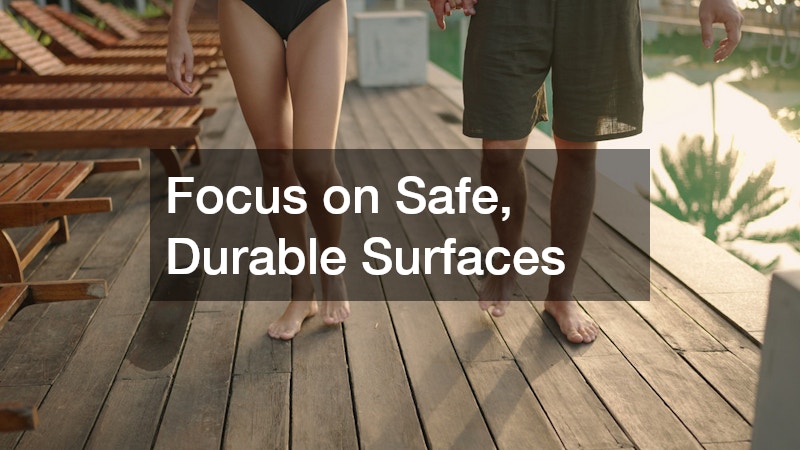
Buyers notice what they walk on. Loose boards, uneven pavers, cracked concrete, soft spots, splintered stairs, or wobbly railings can make an outdoor area feel unsafe or poorly maintained. Even a beautiful yard loses appeal if the surfaces underfoot look neglected.
Decking should be inspected carefully before listing. Boards should be secure, railings should feel sturdy, and stairs should be safe. Weathered materials may not need full replacement, but they should be cleaned, repaired, or refinished when possible. A deck does not have to look brand new, but it should feel solid.
For ground-level spaces, a patio builder may be useful when the existing surface is uneven, poorly drained, too small, or disconnected from the home. A well-built hardscape can make the yard feel more usable and reduce the sense that buyers will need to tackle an immediate project.
Use Privacy to Make the Yard Feel Complete
Privacy is one of the biggest emotional factors in outdoor living. Buyers may love the idea of spending time outside, but if the yard feels exposed to neighbors, roads, or nearby windows, the appeal can fade quickly.
Boundaries help create comfort. Fences, hedges, gates, low walls, trellises, and thoughtful planting can all make an outdoor space feel more finished. They can also define areas for pets, children, pools, gardens, and entertaining.
Fence builders can help homeowners repair, replace, or plan fencing that improves privacy and safety without making the yard feel closed in. The best fencing fits the home’s style, complies with local rules, and supports how the outdoor space is used.
Avoid Making the Space Too Personal
One of the easiest mistakes sellers make is designing the backyard too specifically for themselves. A sports court, oversized playset, elaborate theme garden, bold paint scheme, unusual water feature, or highly customized structure may be perfect for one household but distracting to another.
Before selling, homeowners should consider simplifying:
- Remove broken or oversized furniture.
- Store personal collections and hobby equipment.
- Reduce loud color choices.
- Take down worn shade sails or temporary structures.
- Clear crowded corners.
- Limit decorative signs and themed accessories.
- Leave flexible open space when possible.
A neutral outdoor space can still have personality. Plants, clean furniture, warm lighting, and well-defined areas can make the yard inviting without making it feel too specific.
Make the Outdoor Space Easy to Show
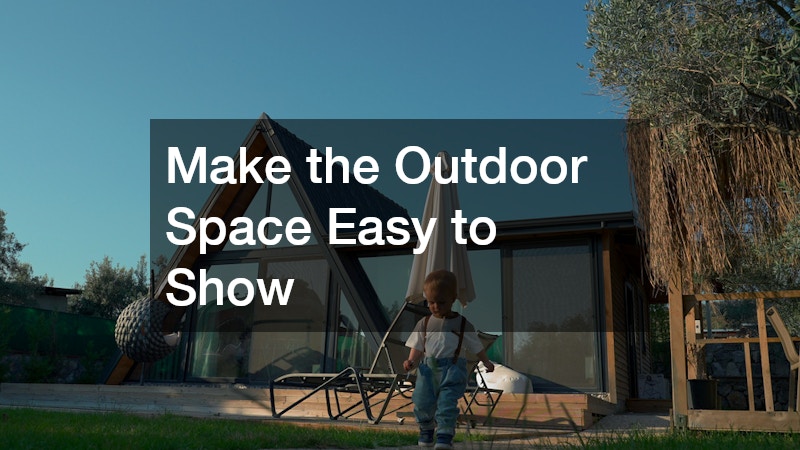
Outdoor areas should be prepared for showings with the same care as kitchens, bathrooms, and living rooms. Many sellers clean the interior but forget that buyers may spend several minutes walking the yard, opening gates, looking at surfaces, and checking how private or usable the space feels.
Good listing photos are important. Outdoor spaces often photograph best when the light is soft, the furniture is clean, and the yard is freshly maintained. If the property has evening lighting, twilight photos may help show atmosphere. If the yard has a pool, deck, porch, or garden, each feature should be photographed in a way that shows its relationship to the home.
Before each showing:
- Sweep hard surfaces.
- Wipe outdoor tables and chairs.
- Open umbrellas if they are in good condition.
- Remove pet waste and toys.
- Put away hoses and tools.
- Clear leaves from steps and paths.
- Turn on appropriate lighting.
- Make gates accessible.
- Keep pool or water features clean.
- Remove clutter from storage corners.
Sellers should also make sure the agent understands outdoor improvements. If recent repairs, maintenance, or upgrades have been made, those details should be easy to communicate. Buyers may not notice newer materials, drainage improvements, or repaired structures unless the information is included in the listing or discussed during the showing.
Outdoor spaces attract future buyers when they are easy to understand, pleasant to use, and clearly maintained. The goal is not to create the most elaborate backyard in the neighborhood. It is to help buyers picture a better daily life in the home.
A strong outdoor area feels connected to the house. It has places to sit, move, gather, relax, and enjoy the property without confusion. It offers comfort without feeling high-maintenance. It provides privacy without feeling closed off. It shows care through clean surfaces, safe structures, healthy landscaping, and thoughtful layout.
Homeowners preparing to sell should focus on the improvements that matter most: safety, condition, proportion, comfort, privacy, and ease of maintenance. Some properties may benefit from major features. Others may only need cleaning, repairs, staging, and better definition.
The best outdoor spaces do not force buyers to work hard to see the value. They make the value obvious. When the yard feels ready, useful, and inviting, it can help the entire home feel more complete.