
Owning a home comes with more than mortgage payments, decorating decisions, and weekend projects. A house is a living system. The roof, heating, cooling, plumbing, flooring, storage, driveway, and interior spaces all need attention over time. Some tasks are easy to handle on your own, while others require trained professionals, specialized tools, or careful scheduling.
Many homeowners wait until something breaks before thinking about service providers. A leak appears, the heat stops working, the driveway starts crumbling, or a room stops functioning the way it should. By that point, the problem is often more stressful and more expensive than it needed to be.
Planning ahead helps you avoid that cycle. When you know which services your home may need throughout the year, you can budget better, compare providers without pressure, and schedule work before small issues become urgent. A thoughtful home service plan also protects your property value, improves comfort, and makes everyday living easier.
The following guide breaks down essential services every homeowner should consider, along with practical ways to stay ahead of maintenance, repairs, and improvements.
Start With the Exterior Protection Your Home Depends On

Your roof is one of the most important parts of your home because it protects everything underneath it. A small issue on the roof can quickly turn into interior water damage, insulation problems, mold growth, or structural repairs. That is why roof maintenance should be part of every homeowner’s yearly planning.
Working with roofing companies can help homeowners identify damage early and decide whether a repair, inspection, or replacement estimate is needed. Professional roofers can also spot issues that are easy to miss, such as poor ventilation, worn sealants, flashing gaps, or damage around chimneys and skylights.
A practical roof maintenance plan may include:
- Checking the roof visually after severe weather
- Cleaning gutters and downspouts regularly
- Looking for ceiling stains inside the home
- Trimming branches that hang over the roof
- Scheduling inspections for older roofs
- Keeping records of previous repairs and warranties
Planning ahead is especially important if your roof is nearing the end of its expected life. Waiting until a leak appears can limit your options and force a rushed decision. By getting estimates early, homeowners can compare materials, understand costs, and plan for the project at the right time.
Keep Interior Surfaces Fresh, Clean, and Long-Lasting
Floor coverings do more than make a room look finished. Rugs and carpets add warmth, soften noise, protect flooring, and help define living spaces. Over time, however, they collect dirt, dust, pet hair, allergens, stains, and odors. Even regular vacuuming cannot always remove buildup that settles deep into the fibers.
A professional rug service can help preserve rugs, improve indoor cleanliness, and extend the life of valuable floor coverings. This is especially useful for area rugs, antique rugs, wool rugs, delicate fibers, or rugs in high-traffic spaces. Using the wrong cleaning product at home can cause fading, shrinkage, fiber damage, or permanent staining.
Homeowners should create a cleaning schedule based on how each room is used. A formal living room rug may need less attention than a rug in an entryway, playroom, dining area, or family room. Homes with pets, children, or frequent guests usually need more frequent cleaning.
Plan Bigger Improvements Before They Become Urgent
Every home reaches a point where certain spaces no longer work as well as they should. A kitchen may lack storage, a bathroom may feel outdated, a basement may be unused, or a growing family may need a more functional layout. These larger updates require careful planning because they affect budget, timing, materials, and daily routines.
Home remodeling companies can help homeowners turn broad ideas into realistic plans. A good remodeling team can explain what is possible within the existing structure, what permits may be required, how long the project may take, and what choices will have the biggest impact. This guidance can prevent costly mistakes and help homeowners prioritize wisely.
Before starting a remodeling project, it helps to answer a few important questions:
- What problem should this renovation solve?
- Is the goal more space, better function, updated style, or improved resale value?
- What budget range feels realistic?
- Which parts of the project are must-haves?
- Which upgrades would be nice but are not essential?
- How will the project affect daily life while work is underway?
Large projects are easier to manage when homeowners are not making every decision under pressure. Whether the project involves cabinets, flooring, fixtures, walls, or layout changes, a detailed plan helps reduce delays and unexpected costs.
Make Investment Properties Easier to Maintain

Owning investment property comes with a different level of responsibility. While your own home may allow for flexible timing, rental houses need consistent attention because tenants rely on safe, comfortable, and functional living conditions. Delayed repairs can lead to tenant complaints, vacancy issues, property damage, or higher costs later.
A strong maintenance plan helps landlords stay organized. Instead of waiting for tenants to report problems, property owners can schedule inspections, handle seasonal tasks, and keep reliable service providers on hand. This approach protects the property and enhances the tenant experience.
For homeowners who are new to property ownership, organization is key. Keep a record of warranties, appliance ages, repair history, tenant requests, and service dates. This makes it easier to spot patterns and plan future improvements.
Prepare for Cold Weather Before Temperatures Drop
Heating needs can become urgent quickly when cold weather arrives. Homeowners who wait until the first freezing night to consider heating may face emergency service calls, fuel shortages, higher costs, or uncomfortable indoor temperatures. Preparing ahead of winter is one of the most practical ways to protect your home and family.
If your home relies on oil heat, working with a home heating oil company can help you plan deliveries, monitor usage, and avoid running low during peak demand. It is also helpful to review past fuel usage to estimate seasonal needs and budget accordingly.
Before colder weather settles in, homeowners should:
- Check current fuel levels
- Schedule heating system maintenance
- Replace or clean filters if needed
- Test thermostats
- Seal drafts around windows and doors
- Make sure vents and radiators are not blocked
- Review emergency contact information
Homeowners should also consider the rest of the house. Drafty windows, poor insulation, blocked vents, and neglected chimneys can all affect heating performance. The more efficiently your home holds heat, the less strain you place on your system.
Build a Cleaning Routine That Supports the Whole Home
A clean home is easier to enjoy, but cleaning is also a form of maintenance. Dust, grime, moisture, clutter, and buildup can hide problems or contribute to wear over time. When a home is cleaned consistently, it is easier to notice leaks, pest activity, mold, damaged caulk, cracked tile, or worn surfaces.
Professional house cleaning can be especially helpful for busy families, elderly homeowners, rental turnovers, post-renovation cleanup, move-ins, move-outs, and seasonal deep cleaning. Even homeowners who handle weekly cleaning themselves may benefit from occasional deeper service.
A cleaner home also supports better indoor air quality. Dust, pet dander, pollen, and other particles collect on surfaces, fabrics, and floors. Regular cleaning helps reduce buildup and keeps the home feeling fresher.
Improve Storage Before Clutter Takes Over

Many homeowners think they need more square footage when they actually need better storage. Poor storage makes rooms feel smaller, messier, and harder to use. Kitchens, bathrooms, laundry rooms, mudrooms, offices, garages, and living rooms can all benefit from more intentional organization.
Custom cabinetry can solve storage problems by fitting the home’s layout, style, and daily habits. Unlike standard cabinets or store-bought shelving, custom solutions can be designed around specific needs, awkward spaces, unusual room dimensions, and personal preferences.
Examples of helpful storage upgrades include:
- Pantry cabinets for food and small appliances
- Built-ins around fireplaces or entertainment areas
- Bathroom vanities with better drawer organization
- Mudroom lockers for shoes, bags, and coats
- Laundry room cabinets for supplies
- Home office shelving and file storage
- Garage cabinets for tools and seasonal items
The best storage plans are based on real routines. Before investing in storage upgrades, homeowners should consider which items cause the most clutter and where they are typically used. A beautiful cabinet that does not match daily habits may not solve the problem.
Keep Indoor Comfort Systems Running Efficiently
Heating and cooling systems play a major role in comfort, energy use, and indoor air quality. When these systems are ignored, homeowners may notice uneven temperatures, weak airflow, strange noises, high utility bills, or sudden breakdowns. Routine care can help prevent many of these problems.
Professional HVAC Service can identify issues that may not be obvious during everyday use. A technician can check components, inspect airflow, test system performance, look for worn parts, and make sure equipment is operating safely. Seasonal maintenance is especially important before heavy heating or cooling periods.
Ignoring small warning signs can lead to larger repairs. For example, weak airflow may point to dirty filters, duct problems, blower issues, or blocked vents. A system that runs constantly may be struggling due to poor insulation, low refrigerant levels, thermostat issues, or aging equipment.
Comfort systems are also connected to indoor health. Poor airflow and dirty components can contribute to dust, humidity problems, and stale air. By maintaining the system, homeowners help create a more comfortable and healthier living environment.
Address Water Problems Before They Damage Your Home
Water damage can become expensive very quickly. A small leak behind a wall, under a sink, or near a water heater may go unnoticed until it damages flooring, drywall, cabinets, or structural materials. That is why plumbing should never be ignored.
Professional plumbing services can help with leaks, clogged drains, fixture upgrades, water heater problems, sewer line concerns, low water pressure, and emergency issues. Even minor symptoms can signal a bigger concern, especially in older homes.
Homeowners should watch for signs such as:
- Slow drains
- Dripping faucets
- Running toilets
- Low water pressure
- Water stains on walls or ceilings
- Musty odors
- Unexplained increases in water bills
- Gurgling sounds from drains
- Moisture around fixtures or appliances
Preventive habits matter too. Avoid pouring grease down drains, use drain screens where needed, do not flush inappropriate items, and inspect visible pipes occasionally. Small steps can reduce the risk of clogs, leaks, and water damage.
Protect Curb Appeal and Everyday Access
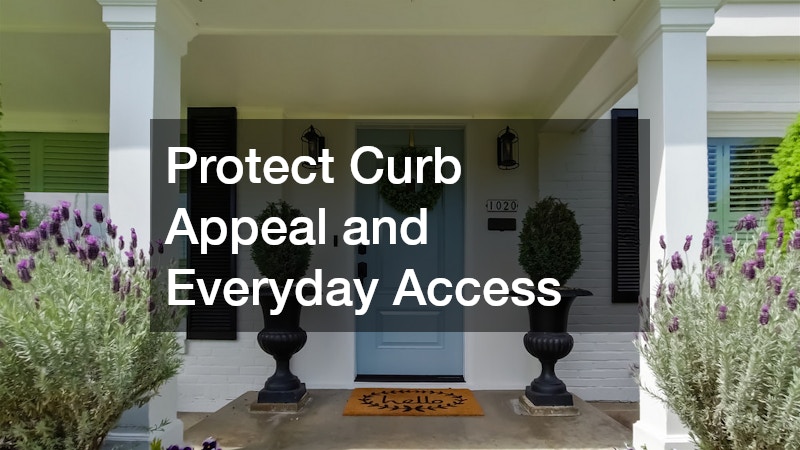
Your driveway is one of the first things people notice about your property, but it also serves an important practical purpose. It provides access, supports vehicles, manages water runoff, and contributes to the home’s overall appearance. Over time, driveways can crack, settle, crumble, or develop drainage problems.
A driveway paving company can help homeowners determine whether a driveway needs sealing, patching, resurfacing, or full replacement. The right solution depends on the material, age, damage level, drainage conditions, and use.
Small cracks may seem harmless, but water can seep in and cause further damage, especially in areas with freeze-thaw cycles. When water freezes and expands, it can widen cracks and weaken the surface. Addressing damage early can extend the driveway’s lifespan and prevent more expensive repairs later.
Homeowners can protect paved surfaces by keeping them clean, managing drainage, avoiding harsh chemicals when possible, and sealing surfaces as recommended. A well-maintained driveway improves curb appeal and makes daily access safer and smoother.
A Better Home Starts With Better Planning
Homeownership becomes easier when you stop thinking of maintenance as a series of emergencies and start treating it as an ongoing plan. Every home needs care, and every system has a lifespan. When you address small issues early, schedule seasonal service, and keep reliable professionals in mind, you reduce stress and protect your investment.
A well-maintained home is more comfortable, safer, cleaner, and more valuable. It is also easier to enjoy because fewer problems catch you by surprise. From exterior protection and indoor comfort to organization, cleaning, and long-term improvements, each part of your home plays a role in how well the property functions.
The best time to plan is before something goes wrong. Create a simple calendar, keep good records, budget for expected projects, and build relationships with service providers you trust. With the right approach, homeowners can stay ahead of repairs, make smarter improvements, and enjoy a home that works better year after year.