
Buying a home is one of the biggest financial decisions you will ever make, and the excitement of finding the right property can sometimes overshadow the practical realities of what you are actually purchasing. Behind fresh paint and staged furniture, a house may be hiding expensive problems in its roof, plumbing, or mechanical systems. Taking the time to inspect these critical components before closing can save you thousands of dollars and years of frustration. This guide walks you through the essential home systems you should evaluate so you can make a confident, informed purchase.
Assessing the Roof Before You Buy
The roof is one of the most expensive components of any house to repair or replace, which makes it a top priority during a walkthrough. Look for curling, cracked, or missing shingles, as well as sagging areas that could indicate structural issues underneath. If the home is older or the roof looks worn, it is worth asking the seller for documentation on the last roof installation and any warranty that might still be active.
Because roof damage is not always visible from the ground, many buyers choose to bring in a licensed roofer for a professional evaluation before finalizing the purchase. A qualified roofer can identify soft spots, flashing issues, and ventilation problems that an untrained eye would likely miss. This small upfront investment can prevent a costly surprise a few months after moving in.
-
Check for granule loss in gutters, which signals shingle wear
-
Look at the age of the roof relative to its expected lifespan
-
Ask about any recent repairs or insurance claims related to storm damage
-
Inspect the attic for water stains or daylight coming through the boards
Evaluating Gutters and Drainage Around the Property
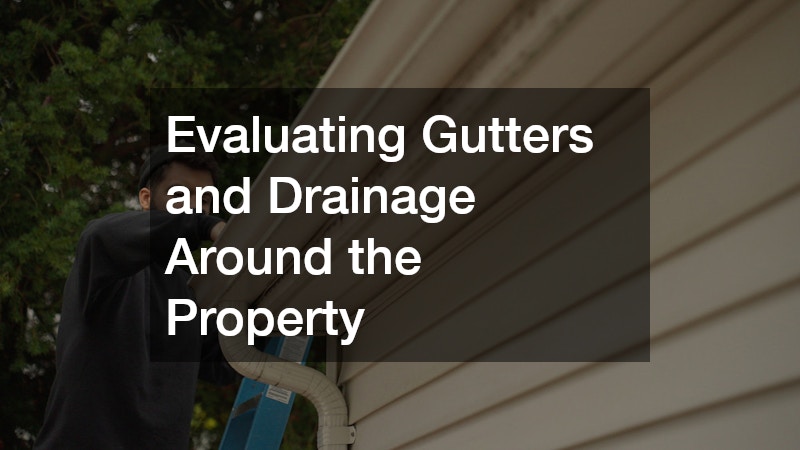
Water management around a house is often overlooked, yet poor drainage can lead to foundation cracks, basement flooding, and mold growth over time. Walk the perimeter of the home after a rain if possible, and note any pooling water near the foundation or areas where soil has eroded. Gutters that are clogged, sagging, or pulling away from the roofline are a sign that gutter repair may be needed soon.
Pay close attention to downspouts and where they direct water. Downspouts that empty too close to the foundation can slowly undermine the structure, even if everything else about the drainage system looks fine on the surface. A home with a well-maintained gutter system is generally a good indicator that previous owners took overall maintenance seriously.
-
Look for rust spots or visible seams that could be leaking
-
Confirm downspouts extend at least three to four feet from the foundation
-
Check for water stains on siding just below the gutter line
-
Note any missing gutter sections around the roof edges
Looking Closely at the Yard and Outdoor Spaces
The condition of the outdoor space says a lot about how well a property has been cared for, and it can also hint at hidden costs down the road. Overgrown landscaping might be hiding foundation issues, drainage problems, or even pest infestations near the home’s exterior walls. Take note of large trees close to the house, since root systems can eventually interfere with pipes, sidewalks, and even the foundation itself.
A well-planned yard also affects resale value and day-to-day enjoyment of the property. If the landscaping looks neglected, factor the cost of cleanup, replanting, or hardscaping repairs into your overall budget before making an offer. Simple things like grading, mulch beds, and retaining walls can reveal whether the previous owner invested in the property’s long-term upkeep.
-
Check that the ground slopes away from the house to prevent water intrusion
-
Inspect any retaining walls for cracks or leaning
-
Look for tree roots near the foundation or sewer lines
-
Note the condition of fences, patios, and walkways
Testing the Heating and Cooling System

A home’s HVAC system is expensive to replace, so it deserves careful attention during your walkthrough. Turn the thermostat to both heating and cooling modes to confirm the system responds properly and blows air at a consistent temperature. Strange noises, musty odors, or uneven airflow between rooms can all point to underlying issues that may require professional attention soon after move-in.
Ask the seller for maintenance records, since regular HVAC maintenance can extend the life of a system significantly and reduce the likelihood of unexpected breakdowns. A furnace or air conditioner that has never been serviced is a red flag, even if it currently seems to be working fine. Knowing the age of the unit also helps you estimate how many more years of service you can expect before a replacement is necessary.
-
Ask when the filters were last changed
-
Check the age of the furnace and air conditioning unit
-
Listen for unusual rattling, clicking, or humming sounds
-
Confirm that each room has adequate airflow
Checking the Plumbing System Throughout the House
Plumbing problems can be some of the most disruptive and costly issues a homeowner faces, so it is worth testing every fixture during a showing. Run water in sinks, showers, and tubs to check pressure and drainage speed, and flush toilets to confirm they refill properly without unusual noises. Pay special attention to kitchen plumbing, since this area sees heavy daily use and often has more complex piping due to dishwashers, garbage disposals, and refrigerator water lines.
Under-sink cabinets can reveal a lot about the true condition of the plumbing system. Look for water stains, soft or swollen wood, and the smell of mildew, all of which suggest a slow leak that may have gone unaddressed for some time. If the home has older galvanized or polybutylene piping, budget for eventual repiping, since these materials are known to fail over time.
-
Check water pressure in multiple fixtures at once
-
Look under sinks for signs of past or active leaks
-
Ask about the age and material of the main water line
-
Test the water heater for consistent hot water output
Reviewing the Overall Structure and Build Quality

Beyond individual systems, it helps to step back and consider the overall quality of the home construction itself. Walk through each room and check that floors feel level, doors open and close smoothly, and walls are free of large cracks that could indicate foundation movement. A gap wider than a quarter-inch around a door frame, or a floor that visibly slopes toward one corner, can signal settling issues worth having a structural engineer evaluate.
Pay attention to the exterior as well. Look for stair-step cracks in brick or block foundations, gaps between the chimney and the house, and siding that appears warped or separated at the seams, since these are often early warning signs of shifting or moisture damage.
In the attic and basement or crawlspace, check exposed framing for straight, evenly spaced joists and rafters without sagging or water staining. Quality construction typically shows consistent nail patterns, properly braced supports, and no signs of makeshift repairs using mismatched materials.
Homes built with quality materials and sound construction practices tend to hold their value better and require fewer major repairs over time. Taking the extra time to scrutinize these structural details now can save thousands of dollars in unexpected repair costs down the road.
Before you even step inside, walk the exterior perimeter and look for stair-step cracks in brick or block foundations, gaps where the porch or chimney meets the main structure, and any noticeable slope in the roofline. Inside, a simple test is to set a marble or ball on the floor in several rooms; if it consistently rolls toward one direction, the foundation may be shifting. If you notice uneven floors, sticking doors, or visible cracks near windows and door frames, it does not automatically mean the home is a poor investment, but it does warrant a closer look from a structural engineer.
Older homes may have settled naturally over decades, and hairline cracks under an eighth of an inch are often cosmetic. Newer homes with these same issues, however, could point to shortcuts taken during original construction, poor soil compaction, or inadequate footings. Understanding the difference can help you negotiate repairs, request a price reduction, or in some cases walk away before costly foundation work becomes your responsibility.
-
Check for visible cracks in the foundation, walls, or ceilings — hairline cracks are often cosmetic, but diagonal or stair-step cracks wider than 1/4 inch can signal structural settling
-
Test whether doors and windows open and close without sticking, since resistance or gaps around frames can point to shifting foundations or humidity damage
-
Look for uneven or sloping floors throughout the house; try rolling a marble or ball across the room to spot subtle slopes
-
Inspect exposed beams, joists, or crawl spaces for signs of water damage, rot, or pest infestation
-
Ask about the builder or contractor if the home is relatively new, and request any warranty documents or past inspection reports
-
Research the builder’s reputation online and check for past complaints or code violations
-
Note the age of the home and any major renovations, as older structures may require closer scrutiny of load-bearing walls
Inspecting Windows and Doors for Efficiency
Windows and exterior doors play a major role in a home’s energy efficiency and comfort, and replacing them is a significant expense if they are in poor shape. Check for drafts, condensation between panes, and difficulty opening or closing each window, since these are all signs that window replacement may be needed sooner rather than later. Single-pane windows in an older home can also lead to noticeably higher energy bills compared to updated, energy-efficient models.
While testing windows, also examine the caulking and weatherstripping around frames, as gaps here can let in moisture and drafts even if the glass itself is in good condition. Exterior doors should seal tightly and show no signs of warping or rot along the bottom edge. These small details often get overlooked but can add up to real comfort and cost differences after you move in.
-
Look for foggy or cloudy glass indicating a broken seal
-
Check that windows open, close, and lock properly
-
Feel for drafts around frames on a windy day
-
Inspect exterior doors for warping or rotting at the base
Examining Interior Finishes and Recent Updates
Interior finishes are often the easiest things for sellers to update quickly before listing a home, so it pays to look a little closer at the quality of the work. Fresh paint can hide water stains or patched drywall, so ask directly whether any painting contractors were hired recently and why the work was needed. A professional paint job typically has clean lines and even coverage, while a rushed job may show drips, uneven color, or mismatched sheens.
Flooring is another area where quality can vary widely depending on who performed the installation. Reputable flooring services generally leave seams tight, transitions smooth, and surfaces level, so take note of any gaps, squeaks, or uneven sections as you walk through each room. If several rooms have brand-new flooring or paint, it is worth asking whether these updates were cosmetic touch-ups or part of repairs following water damage or other issues.
-
Ask if any rooms were recently repainted and why
-
Check flooring transitions between rooms for smoothness
-
Look for squeaky or uneven spots underfoot
-
Request receipts or warranties for any recent renovation work
Preparing for the Final Walkthrough
Once you have reviewed the major systems, it helps to create a simple checklist so nothing gets overlooked during your final walkthrough before closing. Bring a flashlight, a notepad, and your phone camera to document any concerns you want to revisit or negotiate with the seller. It is also a good idea to test every switch, outlet, and appliance one more time, since issues can sometimes appear or worsen between the initial inspection and the closing date.
Do not hesitate to ask questions, even if they seem minor, since a seller’s willingness to answer honestly can tell you a lot about the home’s history. If anything feels uncertain, bringing in a qualified inspector for a second opinion is always worth the small additional cost. This final review is your last chance to confirm the home meets your expectations before signing on the dotted line.
-
Bring a flashlight and notepad to document issues
-
Test all outlets, switches, and appliances one more time
-
Revisit any areas of concern from the initial inspection
-
Confirm agreed-upon repairs were actually completed
A thorough inspection of a home’s critical systems is one of the smartest steps you can take before signing a purchase agreement. By carefully evaluating the roof, plumbing, HVAC, structure, and finishes, you position yourself to negotiate fairly and avoid costly surprises down the road. Take your time, ask direct questions, and do not be afraid to bring in professionals when something feels uncertain. Your future home should be a source of comfort and stability, not a constant source of unexpected repairs.