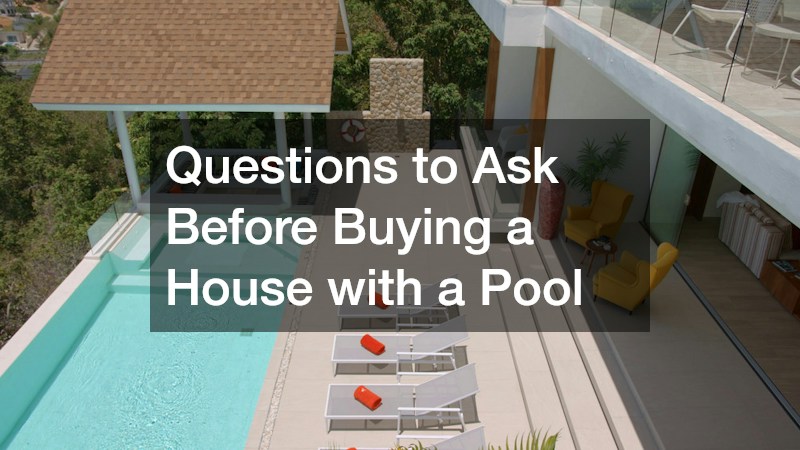
A backyard pool can feel like the ultimate dream come true, promising summer afternoons and family memories for years to come. But that shimmering water can also hide a surprising number of costs, repairs, and logistical headaches that most buyers never think to ask about. Before you fall in love with the idea of poolside living, it pays to dig into the details that don’t show up on a typical listing sheet. Asking the right questions now can save you thousands of dollars and a lot of stress down the road.
Pool Age and Equipment Lifespan
Every pool has a shelf life, and knowing the age of the pump, filter, heater, and liner can tell you a lot about what you’re really buying. Most pool pumps last around 8 to 12 years, while liners typically need replacing every 10 to 15 years depending on climate and maintenance. Ask the seller for maintenance records or receipts showing when major components were installed or replaced.
If the equipment is original to a pool that’s 15 or 20 years old, you should budget for replacements soon after moving in. A home inspector may not always check pool-specific equipment thoroughly, so consider hiring a pool specialist for a separate evaluation.
- Ask when the pump, filter, and heater were last replaced
- Request any warranty documents still in effect
- Check the pool liner or plaster for cracks, fading, or rough patches
- Find out if the pool has ever been resurfaced
Pool Type and Construction Material
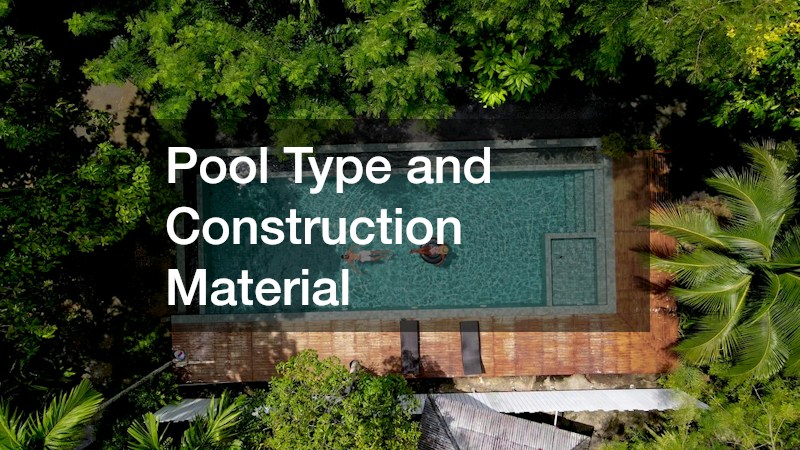
Not all pools are built the same way, and the construction type affects both durability and long-term maintenance costs. Before buying, ask the seller what the pool is made of and when it was last resurfaced or renovated—this single question can save you thousands in surprise repairs. Concrete or gunite pools tend to last decades and offer the most design flexibility, but they require more upkeep, including resurfacing every 10 to 15 years at a cost that can run several thousand dollars. Vinyl liner pools are cheaper to install upfront but need periodic liner replacement, typically every 6 to 12 years, and are more prone to punctures or fading. Fiberglass pools are low-maintenance thanks to their smooth, non-porous surface that resists algae, but they can be costly to repair if the shell cracks or shifts due to ground movement. Ask whether the pool has ever needed structural repairs, and if possible, request documentation of past maintenance or warranty coverage, since some fiberglass shells carry transferable warranties that could benefit you as the new owner.
Pools generally fall into three categories: concrete (gunite or shotcrete), vinyl liner, and fiberglass, and each comes with its own lifespan, look, and repair profile. Concrete pools are the most durable and customizable but need resurfacing roughly every 10-15 years, a project that can run several thousand dollars depending on size and finish. Vinyl liners are cheaper to install but the liner itself typically needs replacing every 6-12 years, while fiberglass shells last decades but offer little flexibility if you ever want to change the pool’s shape. Understanding the construction type also helps you anticipate future renovation costs, since resurfacing a concrete pool is a very different project than patching a vinyl liner.
A small tear in vinyl might be fixed with a simple patch kit, but a crack in gunite can signal a much costlier structural issue involving the surrounding soil or plumbing. Ask the seller or a contractor which category the pool falls into before making assumptions based on appearance alone, since a well-painted concrete pool can sometimes resemble a fiberglass one from a distance. It’s also worth asking for the installation date and any records of past repairs or resurfacing, as this paperwork can reveal how close the pool is to needing major work.
- Concrete and gunite pools offer longevity (20+ years) but need resurfacing every 10 to 15 years at $10,000-$15,000 a pop
- Vinyl liners are budget-friendly upfront but wear out faster, needing liner replacement every 6 to 12 years
- Fiberglass shells resist algae growth and are low-maintenance, but repairs are costly and often require specialized crews
- Ask when the pool was last resurfaced or re-lined, and request receipts if possible
- Find out if the shell has any visible cracks, discoloration, or patch jobs that hint at past structural issues
- Check whether the pool was custom-built or a prefab kit, since this affects repair part availability
Ongoing Maintenance and Chemical Costs
Owning a pool means a recurring monthly expense that many first-time buyers underestimate. Between chemicals, filters, and routine cleaning supplies, the costs can add up quickly, especially in warmer climates where pools run nearly year-round. Building a relationship with a nearby pool supply shop early on can help you understand realistic monthly costs before you commit to buying.
It’s also worth asking the current owner how much they typically spend per month or season on upkeep. Some sellers may downplay these numbers, so cross-referencing with a local pool service company can give you a more accurate picture. Factor this ongoing expense into your overall homeownership budget, not just the mortgage payment.
- Ask for average monthly or seasonal maintenance costs
- Find out if the seller used a professional service or did it themselves
- Inquire about typical chemical and electricity costs for running the pump
Pool Safety Features and Code Compliance
Safety regulations for pools vary widely by city and state, and a pool that was compliant when built may no longer meet current codes. Fencing height, self-latching gates, and pool alarms are common requirements that protect children and pets from accidental drowning. Ask whether the pool has ever been inspected by the local building department and request documentation if available.
If you have young children or plan to in the future, safety features become even more important to evaluate before closing on the home. Some insurance companies also require specific safety measures before they’ll issue a policy, so it’s worth checking with your provider early in the process.
- Confirm fencing meets local height and latch requirements
- Ask about pool alarms or covers currently installed
- Check if the pool has passed any required safety inspections
- Verify insurance requirements tied to pool ownership
Pool Leaks and Structural Integrity
A slow leak can be difficult to detect but expensive to ignore, sometimes leading to foundation issues or high water bills. Ask the seller directly if the pool has ever lost water unexpectedly or required leak detection services. A bucket test, which compares water loss in the pool to a control bucket, can offer a simple way to check for leaks yourself before hiring a professional.
Cracks in the pool deck or shell can also signal shifting soil or structural settling, which may point to larger problems with the yard’s drainage. If you notice staining, uneven surfaces, or persistent dampness around the pool area, it’s worth having a structural engineer take a closer look before finalizing your purchase.
- Perform a bucket test to check for unusual water loss
- Ask about past leak repairs or detection services
- Inspect the deck and coping for cracks or shifting
Backyard Storage and Outdoor Living Space
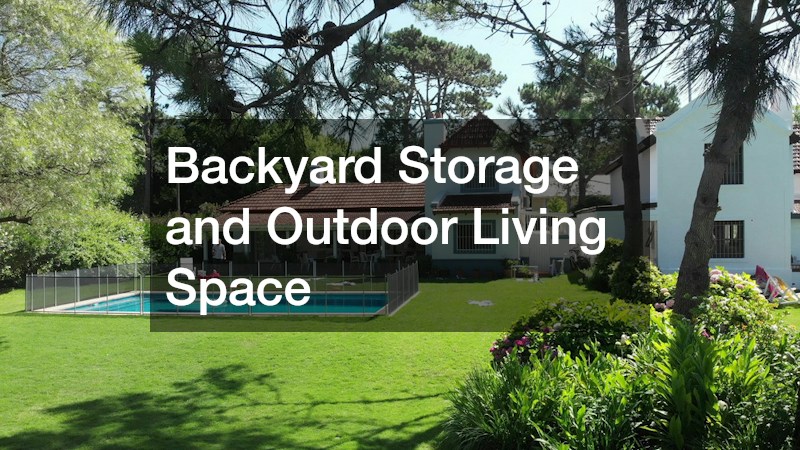
Pools often come with an unspoken need for extra storage, from floats and pool toys to chemicals, cleaning tools, and outdoor furniture cushions. If the home doesn’t already have a shed or dedicated storage area, you may want to factor in the cost of adding one after move-in. Many homeowners find that investing in custom home storage solutions helps keep pool equipment organized and protected from the elements year-round.
Beyond storage, think about how the pool area fits into your overall outdoor living plans, including seating, shade, and pathways. A pool that takes up most of the yard may limit space for other activities, which matters if you have kids, pets, or plans for gardening.
- Check for existing storage sheds or closets near the pool
- Consider whether chemicals need separate ventilated storage
- Evaluate remaining yard space for other outdoor uses
Moving Logistics for Pool Homes
Relocating to a home with a pool sometimes involves extra planning, especially if you’re transporting pool-related equipment, patio furniture, or heavy items like grills and storage sheds. When comparing moving companies, ask specifically whether they have experience handling bulky outdoor items so nothing gets damaged in transit. Getting quotes early also helps you budget accurately, since pool homes sometimes require larger trucks or additional labor for oversized furniture.
If you’re relocating within the same city or region, working with local movers who understand seasonal demand can make scheduling easier, particularly during the busy summer months when pool homes are in high demand. Booking your move a few weeks in advance gives you more flexibility with dates and pricing.
- Ask movers about experience with patio furniture and outdoor equipment
- Request quotes that account for any oversized or heavy items
- Book early during peak summer moving season for better availability
Conclusion
Buying a home with a pool can be an exciting milestone, but it comes with responsibilities that go well beyond the initial purchase price. By asking these hidden questions about age, safety, maintenance, and logistics, you’ll walk into your new home with realistic expectations rather than costly surprises. Take the time to inspect thoroughly, budget honestly, and plan your move carefully so you can enjoy your new pool with confidence from day one.