
Buying a property is one of the biggest financial decisions most people will ever make. The excitement of finding the perfect home can sometimes overshadow the practical realities that come next. Beyond the down payment and mortgage approval, there’s a network of professionals and services that protect your investment, ensure safety, and prevent expensive surprises.
Smart property buyers don’t just rely on a general inspection. They understand which experts to call, when to bring them in, and how to use their knowledge to negotiate better deals. From legal protection to structural evaluations and system upgrades, the right team can save thousands of dollars and countless headaches.
This guide walks you through the essential home services and experts every property buyer should know about—what they do, why they matter, and how to use them strategically.
Secure Your Purchase with the Right Legal Guidance
Buying a home involves contracts, disclosures, deadlines, and financial commitments. Even small oversights can lead to serious legal or financial consequences. That’s why consulting a real estate lawyer is one of the smartest early moves a buyer can make.
A real estate lawyer protects your interests before you sign anything binding. While agents handle negotiations, legal professionals review the fine print.
What They Typically Review
- Purchase agreements and contingencies
- Title reports and ownership history
- Easements or shared access issues
- Local zoning regulations
- Disclosure statements from the seller
- Closing documents
They also identify risks such as:
- Unpaid property taxes
- Boundary disputes
- Undisclosed liens
- HOA restrictions that limit renovations
When to Bring in Legal Support
- Buying new construction
- Purchasing an investment or multi-family property
- Homes with a complex ownership history
- Properties with land acreage
- For-sale-by-owner transactions
Actionable Tip
Request a contract review before removing contingencies. A small legal fee upfront can prevent costly litigation later.
Evaluate the Roof Before It Becomes Your Problem
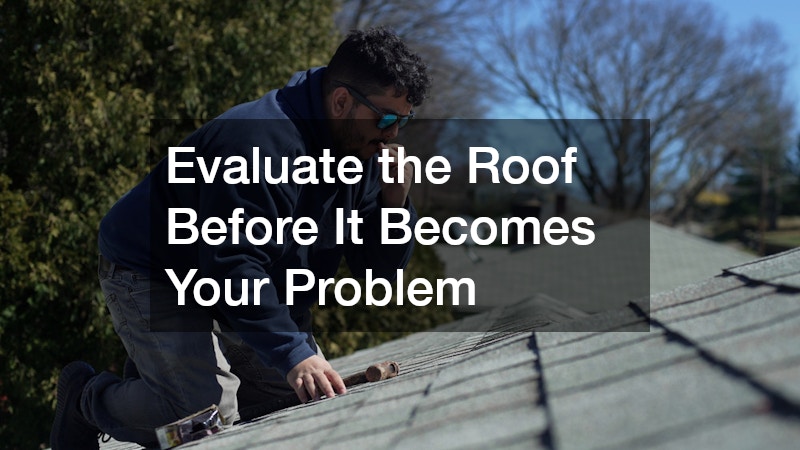
The roof is one of the most expensive components of a home to repair or replace. Unfortunately, many buyers rely solely on a standard home inspection, which may not uncover deeper structural or lifespan concerns. Even minor issues, such as small leaks or damaged flashing, can turn into major repairs if left unnoticed. Weather exposure, poor ventilation, and aging materials all affect how long a roof will truly last. Without a thorough evaluation, buyers may underestimate how soon replacement will be necessary. Addressing roofing concerns early can prevent unexpected expenses within the first few years of ownership.
Professional roofing companies can provide a detailed evaluation that goes beyond surface-level observations.
Warning Signs Buyers Should Watch For
- Missing or curling shingles
- Dark streaks or moss growth
- Sagging roof lines
- Interior ceiling stains
- Loose flashing around chimneys
Questions to Ask During an Inspection
- How many years of life remain?
- Are there active leaks?
- Has the roof been repaired multiple times?
- What material was used and when was it installed?
Why a Specialized Roof Inspection Matters
- Roof replacements can cost thousands
- Insurance companies may deny coverage for aging roofs
- Lenders sometimes require roof certification
Negotiation Strategy
If professional roofing companies identify a limited lifespan, you can:
- Request repair credits
- Ask for a full replacement before closing
- Renegotiate the purchase price
Proactively assessing roofing conditions ensures you don’t inherit a major expense in your first year of ownership.
Confirm Property Boundaries and Land Accuracy
Property lines aren’t always as straightforward as they appear. Fences may not reflect legal boundaries, and neighbor disputes can arise years after purchase. In some cases, previous owners may have built sheds, driveways, or landscaping features that slightly cross into adjacent lots without realizing it. These small encroachments can create legal and financial complications later. Buyers who skip detailed verification may also face issues when refinancing or selling the property. Taking the time to confirm exact boundaries protects both your investment and your peace of mind.
Advanced lidar surveying technology provides highly accurate topographical data and property mapping.
What Modern Surveying Can Reveal
- Elevation changes
- Drainage patterns
- Flood risks
- Encroachments from neighboring structures
- Hidden grading issues
Lidar surveying uses laser pulses to create detailed 3D maps of land surfaces. This technology is especially useful for:
- Large lots
- Rural properties
- Sloped terrain
- Development planning
When Buyers Should Consider It
- Purchasing undeveloped land
- Buying near flood zones
- Planning major renovations or additions
- Installing pools or detached structures
Actionable Tip
Compare survey results with existing property descriptions. Confirm that driveways, fences, and sheds sit within legal boundaries.
This step protects you from future disputes and ensures your investment is fully usable.
Inspect the Plumbing System Thoroughly

Plumbing problems often stay hidden until they become emergencies. Small leaks behind walls can lead to mold, structural damage, and costly repairs. Over time, even a slow drip can weaken wood framing and damage drywall without any visible warning signs. Older homes may have outdated piping materials that are more prone to corrosion or failure. Water pressure issues can also indicate deeper problems within the supply lines or municipal connections. Ignoring these risks during the buying process can result in expensive repairs shortly after move-in.
A licensed plumbing contractor provides a deeper inspection than a general home inspection.
Common Plumbing Issues Buyers Overlook
- Aging galvanized pipes
- Low water pressure
- Corroded supply lines
- Outdated water heaters
- Tree root intrusion in sewer lines
Advanced Tools Professionals Use
- Sewer camera inspections
- Pressure testing
- Thermal leak detection
A plumbing contractor can also determine whether repairs or full repiping is necessary.
Questions to Ask
- When were the pipes last updated?
- Is the sewer line original?
- Are there signs of past leaks?
- What is the water heater’s age?
Budgeting Insight
Plumbing repairs can range from minor fixture replacements to full system upgrades. Knowing the condition upfront allows you to:
- Negotiate seller concessions
- Plan renovation timelines
- Avoid unexpected move-in expenses
Water damage spreads quickly. Investing in plumbing expertise early prevents major structural issues later.
Assess Heating and Cooling Systems Before Closing
Comfort, energy efficiency, and indoor air quality depend heavily on heating and cooling systems. Unfortunately, HVAC components are often expensive to replace. A failing system can struggle to maintain consistent temperatures, leading to hot and cold spots throughout the home. Poorly maintained equipment may also circulate dust, allergens, and other airborne particles. Older systems tend to consume more energy, increasing monthly utility bills. Buyers who overlook system condition may face sudden breakdowns during extreme weather seasons.
Scheduling a professional HVAC Service evaluation gives you a realistic picture of system performance.
What to Evaluate
- Age of system components
- Maintenance history
- Airflow consistency
- Noise levels
- Energy efficiency ratings
Most systems last 10–20 years, depending on usage and maintenance.
If a system is nearing the end of its lifespan, furnace installation service may soon be necessary.
Signs Replacement May Be Needed
- Uneven heating
- Rising energy bills
- Frequent repairs
- Strange odors
- Short cycling
Actionable Steps
- Request service records from the seller
- Ask for recent maintenance documentation
- Get a written estimate for needed repairs
By scheduling HVAC Service before closing, buyers gain negotiating leverage and clearer long-term planning.
Upgrade Temperature Control for Energy Efficiency

Many older homes still rely on outdated temperature control systems. Upgrading improves comfort and reduces utility bills. Older manual thermostats often lack precise temperature readings, which can cause systems to run longer than necessary. This inefficiency not only increases energy costs but also adds wear and tear to heating and cooling equipment. Modern solutions offer better control over daily and seasonal temperature adjustments. Making this upgrade early can immediately enhance both convenience and long-term savings.
A professional thermostat installation service ensures compatibility with your heating and cooling system.
Benefits of Modern Thermostats
- Programmable schedules
- Smart home integration
- Remote access via mobile apps
- Energy tracking insights
- Automatic temperature adjustments
Before Installing
- Confirm system compatibility
- Determine wiring requirements
- Check Wi-Fi connectivity
- Evaluate insulation quality
Why Professional Installation Matters
Improper wiring can damage HVAC systems. A thermostat installation service ensures correct setup, calibration, and programming.
Long-Term Savings
Smart temperature control can reduce heating and cooling costs by up to 10–15% annually.
Small upgrades often deliver strong returns on investment, both in savings and resale value.
Ensure Safe and Functional Garage Systems
Garage doors are more than convenience features. They impact security, insulation, and curb appeal. A damaged or outdated door can make a home more vulnerable to break-ins. Poor insulation in the garage can also affect the temperature of adjacent living spaces. Over time, daily use puts strain on springs, cables, and openers, increasing the risk of sudden failure. Addressing small performance issues early helps maintain safety and extends the life of the entire system.
A reliable garage door service can inspect and repair mechanical components before problems escalate.
Signs Maintenance Is Needed
- Loud grinding noises
- Delayed response from opener
- Uneven door movement
- Visible spring damage
- Worn weather stripping
Safety Considerations
Broken springs can cause serious injury. Professional garage door service ensures:
- Proper tension adjustment
- Sensor alignment
- Track calibration
- Motor functionality
Upgrade Opportunities
- Insulated doors for energy efficiency
- Smart openers with app control
- Reinforced security features
Actionable Tip
Test the door multiple times during your walkthrough. If anything feels off, schedule professional service before closing.
Garage systems are often overlooked but play a key role in a home’s overall functionality.
Identify and Address Moisture and Air Quality Risks

Mold growth can cause structural damage and health problems. It often hides behind walls or under flooring. In damp environments, it can spread quickly without any obvious surface signs. Prolonged exposure may trigger allergies, respiratory irritation, and other health concerns. Moisture from leaks, poor ventilation, or flooding creates ideal conditions for growth. Left untreated, mold can weaken drywall, wood framing, and insulation over time.
Professional mold removal services identify contamination sources and eliminate them safely..
Warning Signs During Walkthroughs
- Musty odors
- Water stains on ceilings
- Peeling paint
- Visible black or green spots
- Damp basement areas
Common Mold Locations
- Bathrooms
- Attics
- Crawl spaces
- Around HVAC vents
- Near plumbing fixtures
Why Professional Remediation Is Critical
Improper cleaning spreads spores. Certified mold removal specialists:
- Conduct air quality testing
- Use containment barriers
- Remove contaminated materials
- Treat affected areas
Preventative Strategies
- Install proper ventilation
- Repair leaks immediately
- Monitor humidity levels
- Seal basement cracks
Addressing mold concerns early protects your health and preserves property value.
Plan for Storage During Moves and Renovations
Even spacious homes can feel crowded during transitions. Renovations, staging, and downsizing often require temporary storage. Boxes, furniture, and personal items can quickly take over living areas, making daily life stressful. Keeping extra belongings on-site during remodeling can also increase the risk of damage from dust or construction work. Buyers moving between homes may face timing gaps that leave them without adequate space. Planning ahead for overflow storage makes the transition smoother and more organized.
Storage units provide flexible space solutions for buyers navigating changes.
When Temporary Storage Helps
- During renovations
- While waiting for closing
- When downsizing
- For seasonal items
- For inherited belongings
Choosing the Right Option
- Climate-controlled units for sensitive items
- 24-hour security access
- Flexible lease terms
- Insurance coverage
Organization Tips
- Label all boxes clearly
- Create an inventory list
- Use shelving inside the unit
- Leave pathways for access
Using storage units strategically keeps your home organized and reduces stress during transitions.
Build a Reliable Maintenance Network Before You Need It
The most successful homeowners are proactive, not reactive. Building relationships with trusted professionals prevents small problems from turning into major repairs. Regular inspections and maintenance visits help catch issues before they become emergencies. Establishing a network of reliable experts also means faster response times when urgent repairs are needed. Over time, consistent upkeep preserves property value and reduces overall ownership costs.
Create a Seasonal Maintenance Plan
Spring:
- Inspect exterior drainage
- Service cooling systems
- Check the roof and gutters
Summer:
- Examine foundation cracks
- Maintain landscaping
- Inspect exterior paint
Fall:
- Service heating systems
- Clean chimneys
- Seal gaps around windows
Winter:
- Monitor insulation
- Check for ice dams
- Protect pipes from freezing
Vet Service Providers Carefully
- Verify licenses and insurance
- Read recent reviews
- Request multiple quotes
- Ask about warranties
- Confirm service timelines
Keep Organized Records
Maintain a digital file of:
- Repair receipts
- Inspection reports
- Service contracts
- Warranty documentation
Proactive care extends the life of your home and protects resale value.
Buying a home doesn’t end at closing. It marks the beginning of ongoing responsibility. Understanding which experts to consult and when to bring them in helps protect your investment and avoid costly surprises.
From legal safeguards to system evaluations and preventative maintenance, informed buyers make confident decisions. Surround yourself with qualified professionals, schedule inspections strategically, and prioritize proactive upkeep.
When you treat your home as a long-term asset rather than a short-term purchase, you create stability, security, and lasting value.